
01 / THE BEGINNER’S GUIDE
What is
sake?
A little rice.
A lot of possibility.
Sake is a Japanese alcoholic drink brewed from rice, water, koji and yeast. But that’s only the beginning of the story.
Follow the rice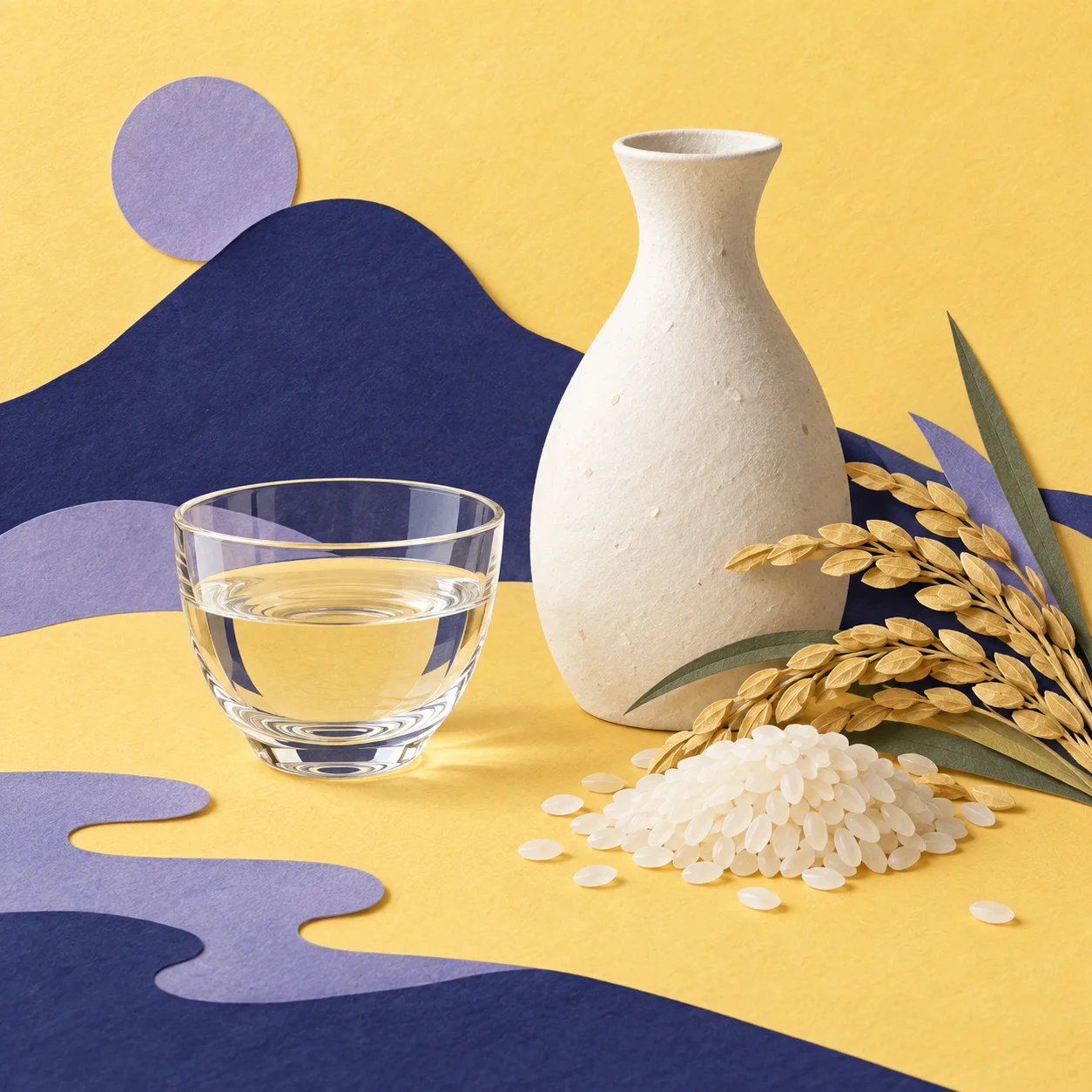
One small grain. A whole world in a glass.
Small grain.
Big introduction.
FIRST, LET’S CLEAR THE TABLE
Brewed from rice.
Made to surprise.
Sake is a fermented alcoholic drink with roots in Japan. Think of it as a whole category to explore, rather than one particular flavour.
It’s often called “Japanese rice wine”. That’s a useful shorthand, but grapes arrive with sugar ready to ferment. Rice arrives with starch. To make sake, brewers first need to unlock that starch with koji, then let yeast turn the sugar into alcohol.
So sake is brewed, not distilled. It isn’t a Japanese version of vodka, and it doesn’t need to be served as a shot.
Check the bottle: strengths vary.
No need to add an accent.
In Japan, “sake” can mean alcohol in general. “Nihonshu” is the word commonly used for Japanese sake.
Sources: JSS: What is sake? · Japan’s National Tax Agency · JSS & NRIB guide
MEET THE LITTLE TEAM
What is sake
made of?
Rice, water, koji and yeast. Four starting points, with the brewer bringing them together.
01 / THE FOUNDATIONRice
Rice supplies the starch. Brewers can use specialist sake rice or table rice; the variety is one piece of the flavour puzzle.
02 / THE CONNECTORWater
Water is used throughout brewing, from washing the rice to adjusting the finished drink. Its mineral makeup affects fermentation.
03 / THE UNLOCKERKoji
Koji is steamed rice cultivated with a fungus called Aspergillus oryzae. Its enzymes break rice starch into fermentable sugar.
04 / THE TRANSFORMERYeast
Yeast converts sugar into alcohol and carbon dioxide. It also helps shape the aromas you notice in the glass.
Some styles also include added brewer’s alcohol. Sake labelled “junmai” has no added brewer’s alcohol. These are choices in brewing, rather than a simple good-versus-bad ranking.
Sources: JSS: Ingredients and fermentation · JSS: Bottle labels
THE PART WHERE RICE BECOMES SAKE
A grain takes
a different path.
Nothing here happens by accident. The brewer guides each stage, from preparing the rice to finishing the bottle.
Polish, wash, soak, steam.
Brewers polish away some of the rice’s outer layers, then wash, soak and steam it. The remaining grain is ready for the next stage.
Give koji a head start.
Part of the steamed rice becomes koji. A yeast starter is also prepared, giving fermentation an active population of yeast.
Let two transformations meet.
Rice, koji, water and the starter come together in the main mash. Koji releases sugar while yeast ferments it. This overlapping teamwork is called multiple parallel fermentation.
Koji makes the sugar.
Yeast makes the alcohol.
Press. Finish. Bottle.
The liquid is separated from the fermented solids. Brewers may then filter, pasteurise, mature or dilute it, depending on the sake they want to make.
That’s why the same basic ingredients can end up telling very different stories.
NOW, IMAGINE THE FIRST SIP
Rice doesn’t mean
one-note.
What does sake taste like? There isn’t one answer. That’s the good part.
Some bottles feel light and fresh. Others are rounded, savoury or rich. Aromas can suggest fruit, flowers, cereal, nuts or even toasted notes.
Those fruit-like aromas usually come from fermentation, rather than fruit added to the bottle. A melon aroma doesn’t mean you’re drinking melon juice.
Sake’s balance of sweetness, acidity and umami helps shape its flavour. Umami is that satisfying savoury quality you might recognise in broth or mushrooms.
The rice, yeast, brewing choices and ageing all matter. Even the temperature in your glass can change what you notice.
Sources: JSS: Sake taste and aroma · NTA: Aroma compounds
YOUR FLAVOUR NOTEBOOK
Open a note. Imagine the sensation.
Fruity & floral
Think apple, pear or flowers. These are aroma references, not a shopping list of ingredients.
Rice & savoury
Think cereal, soft rice notes and umami. Notice how the flavour sits alongside food.
Nutty & toasty
Think nuts, caramel or toast. Ageing can take sake in this more layered direction.
You don’t need to find every note.
“I like this” is a perfectly good beginning.
MORE THAN WHAT’S IN THE BOTTLE
A drink with
roots. And room.
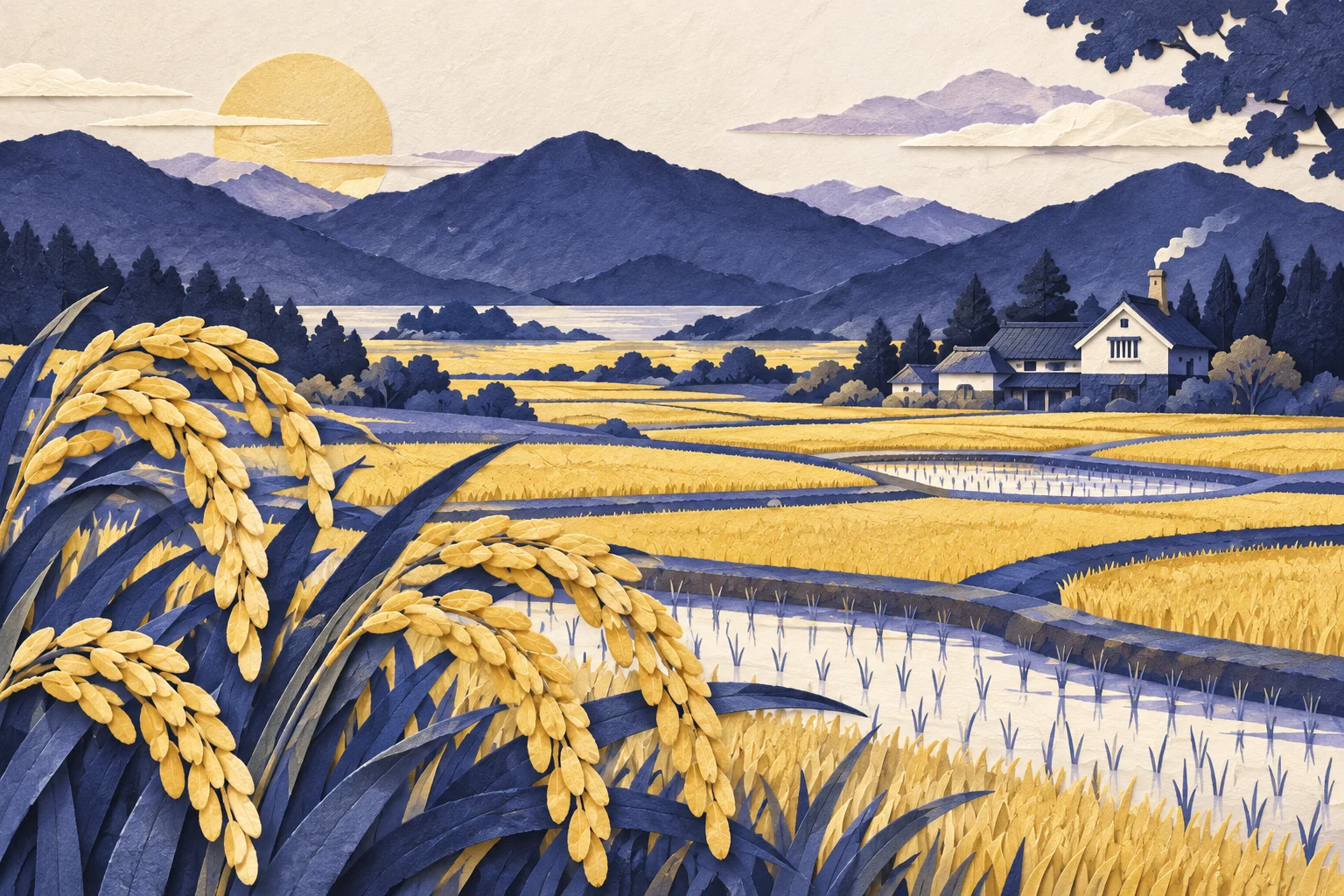
Before sake was a bottle on a restaurant menu, it was part of a much longer story of rice, seasons and community.
Sake has deep connections with agriculture and Shinto traditions. It has been offered at shrines and shared at celebrations, from weddings to New Year gatherings.
That history matters. So does the person making it today: choosing ingredients, tending fermentation and deciding what kind of drink to share.
You don’t need to memorise centuries of brewing history to enjoy a glass. A little context simply makes the next one more interesting.
Source: JSS & National Research Institute of Brewing: Cultural background
THE QUESTIONS EVERYONE ASKS
Before you
close the book.
Clear answers. No vocabulary test.
Is sake wine, beer or a spirit?
Sake is its own category of fermented rice drink. “Rice wine” is a common nickname, but it needs starch converted to sugar, more like beer. It is not a distilled spirit.
How much alcohol is in sake?
Many bottles are around 15–16% alcohol by volume, but there are lower- and higher-strength examples. Always check the label.
Is all sake sweet?
No. Sake can taste dry, sweet or somewhere between. Acidity and umami affect the overall impression, so a single label number won’t tell you everything.
Does sake have to be served hot?
No. Depending on the bottle, sake can be enjoyed chilled, at room temperature or warm. Follow the brewer’s recommendation; temperature is a way to explore flavour.
Why do two sakes taste so different?
The rice, polishing, water, koji, yeast, fermentation and finishing choices all contribute. Sake is a category with variety, not a drink with one fixed taste.
Sources: JSS: Frequently asked questions · NTA: Alcohol content
AND THAT’S YOUR FIRST CHAPTER
A little rice.
A new perspective.
Sake is brewed from rice, shaped by tiny microorganisms and human craft, and full of flavours worth noticing.
Next time there’s a glass in front of you,
you’ll know a little more of its story.