
BREWERIES · WHATSAKE STORIES
The science of sake fermentation
Two processes. One remarkable mash.
Read the story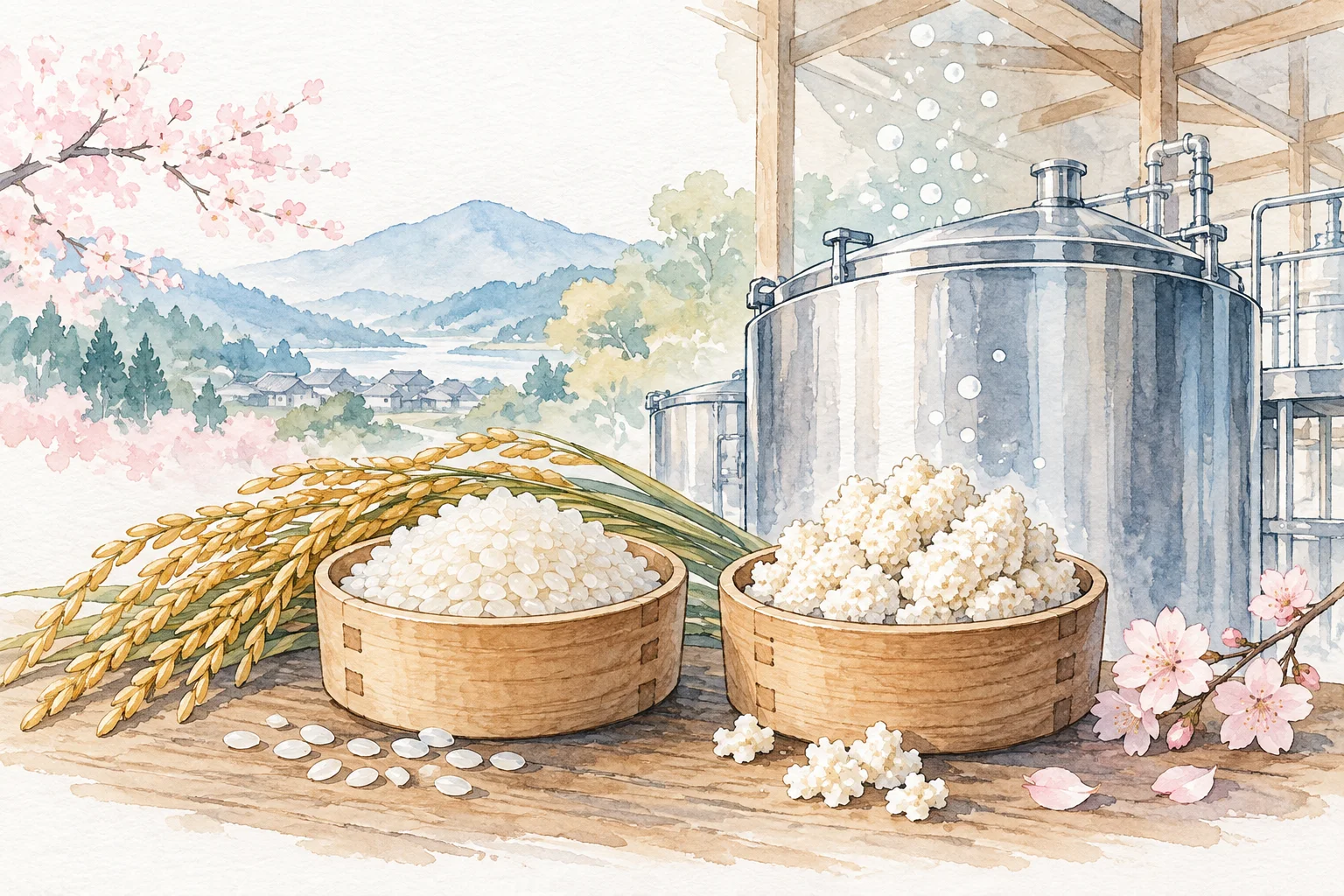
CHAPTER 01
Rice needs a little teamwork
A rice grain is not a grape. Grape juice already contains fermentable sugars; rice stores much of its energy as starch. Sake brewing has to make that starch available before yeast can turn it into alcohol. That is the puzzle at the heart of the brewery.
Koji supplies starch-breaking enzymes. Yeast uses the sugars they release, producing alcohol and carbon dioxide. In the main sake mash these activities overlap, rather than waiting for one to finish before the other starts. This is called multiple parallel fermentation.
Saccharification
Starch becomes sugar. Think of this as making the rice’s stored energy accessible.
Alcoholic fermentation
Yeast uses sugar. Alcohol and carbon dioxide are among the results.
The useful picture is two linked jobs running together. It is not a claim that every rice grain changes at the same speed, or that a tank can be left to look after itself.
Sources: JSS: how sake is made
CHAPTER 02
Koji is rice with a purpose
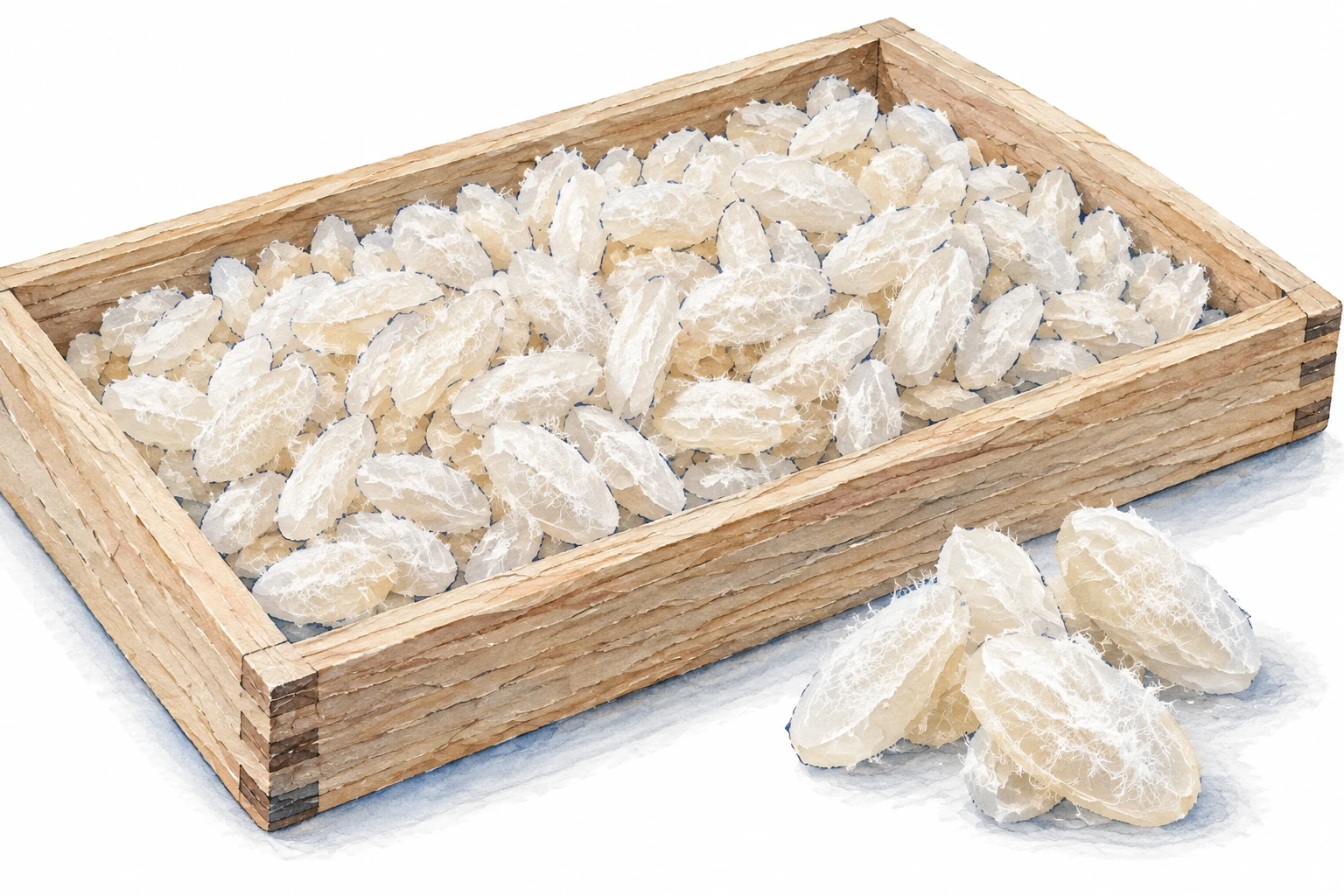
Koji means rice on which a selected fungus has been cultivated. It is not simply a powder stirred into a finished bottle. The brewing team prepares it before the main fermentation and uses it as a source of enzymes.
Those enzymes work on starch, while other enzyme activity helps break proteins into smaller components, including amino acids. This helps explain why koji matters to more than alcoholic strength: its contribution is part of flavour design too.
Imagine a tray of carefully prepared grains instead of one mysterious “secret ingredient”. Making koji requires attention to the grain, moisture and growing conditions. The decisions are connected, so a single headline such as “more polishing means better sake” misses much of the craft.
Sources: JSS: koji making
CHAPTER 03
Build the yeast population first
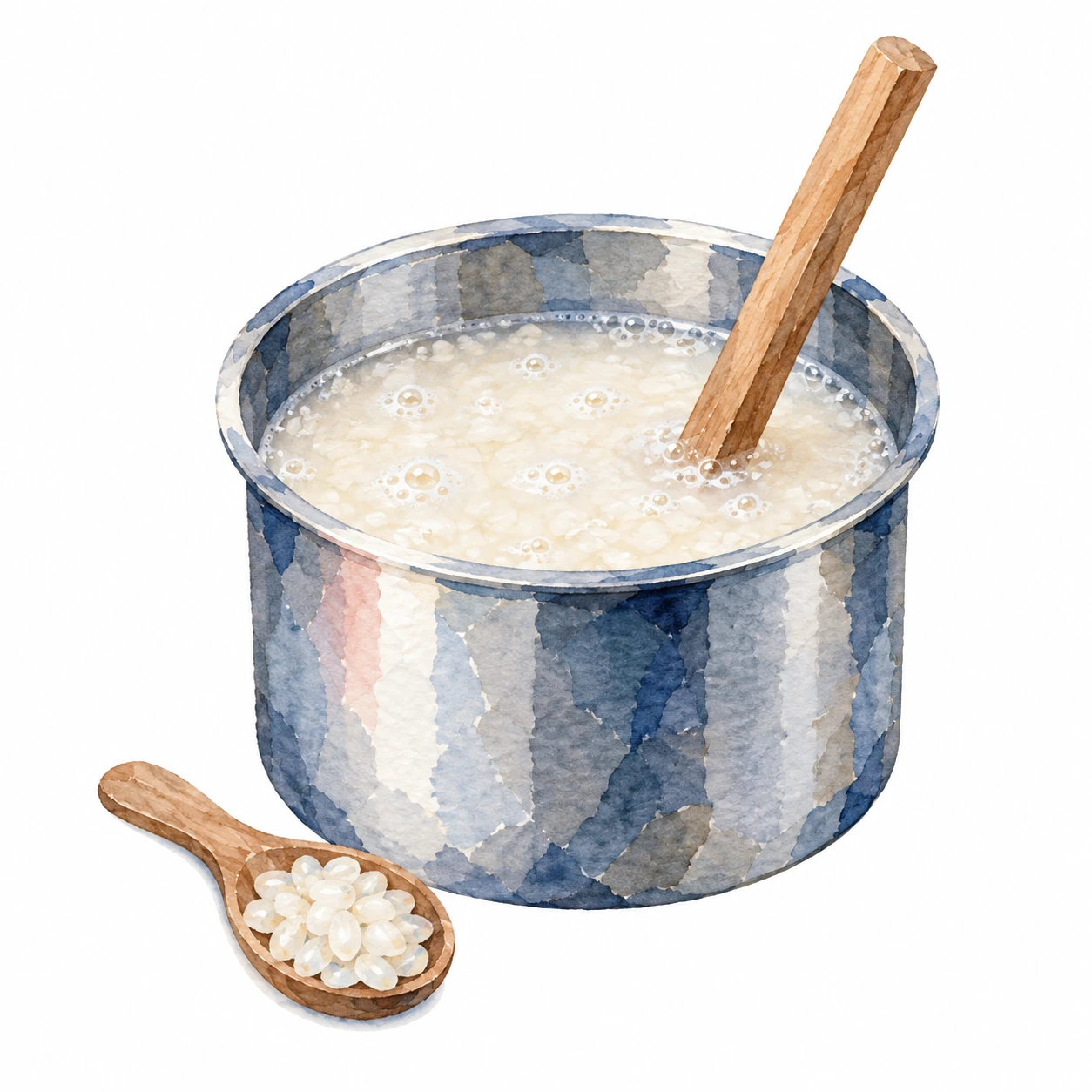
Before the large mash, brewers prepare a smaller starter called shubo or moto. It gives yeast a place to establish itself. Acidity helps make this environment less welcoming to unwanted microorganisms.
Sokujo starter
Lactic acid is added to establish the acidic environment.
Kimoto and yamahai starters
Lactic acid bacteria develop the acidity through a different starter process.
These names describe how the starter is made. They are useful clues, but they are not complete tasting notes. The rice, yeast, fermentation management and finishing choices still matter. Two bottles with the same starter term may feel surprisingly different.
Sources: NRIB: starter methods
CHAPTER 04
The main mash grows in stages
The main mash is called moromi. Rice, koji and water are added in stages alongside the starter. This gradual build gives the fermentation a different beginning from tipping every ingredient into one large tank at once.
The brewing team then manages the developing mash. There is no universal temperature or timetable that guarantees a particular flavour. A brewery’s choices make sense as a programme, rather than a list of isolated tricks.
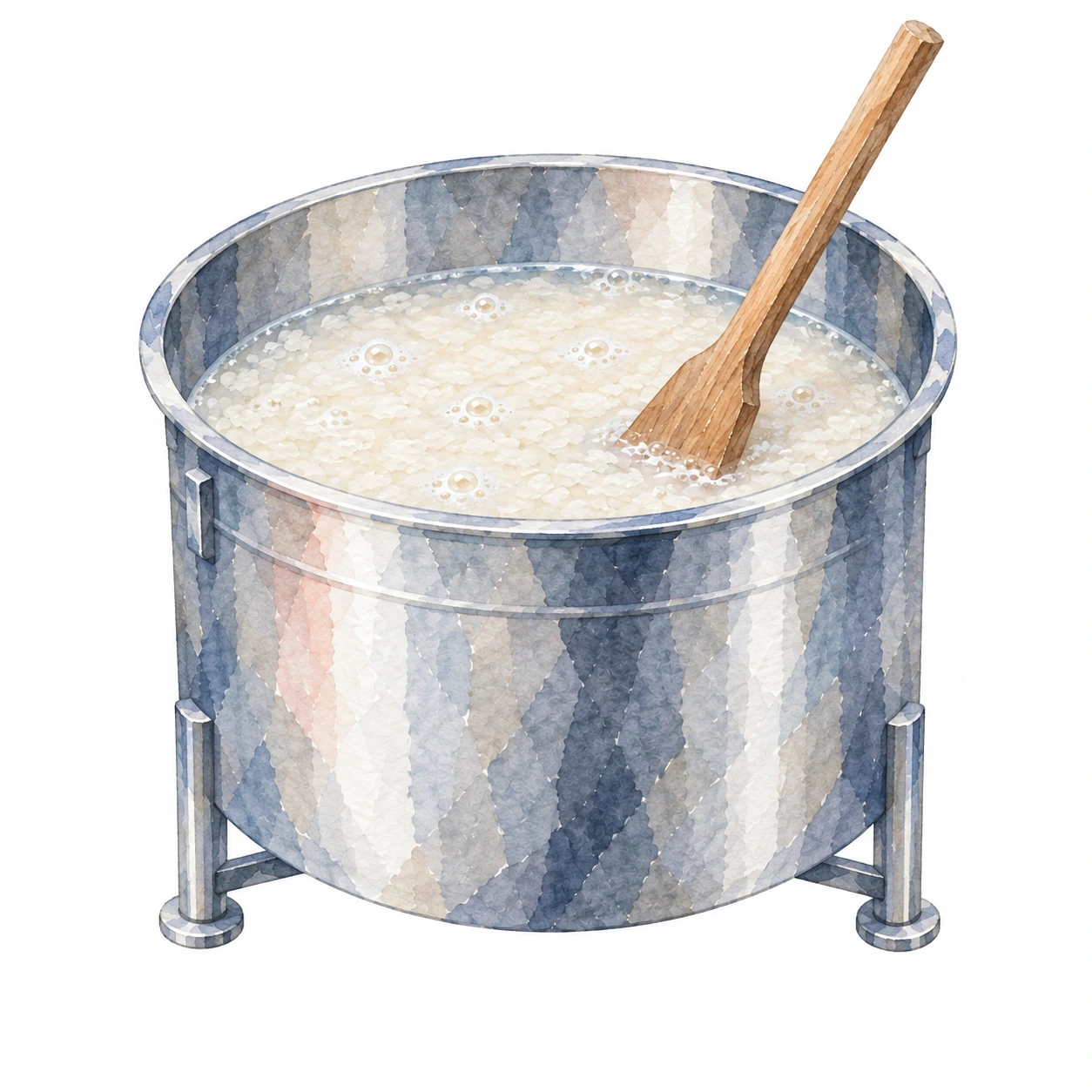
When you see a photograph of a tank, the visible bubbles show only a small part of the story. To understand the sake, ask what the brewer was trying to achieve and how the process supported that aim.
Sources: JSS: fermentation
CHAPTER 05
Aroma is not a shopping list of added fruit
A sake can smell of banana or apple without containing either fruit. Fermentation produces aroma compounds, and yeast selection is one contributor. A fruity description is a sensory comparison, not an ingredient declaration.
Aroma also needs context. The same bottle may seem different in another glass or at another serving temperature. That is why a tasting note is most helpful when it says how the sake was served, rather than treating one impression as permanent.
Read the producer’s description
Use yeast or brewing information as a clue to the intended style.
Keep your own words
“Fresh apple” and “soft rice notes” are useful if they help you remember a bottle.
Compare one change
Keep the bottle the same and change the glass or temperature, then note what you notice.
Sources: JSS: ginjo aroma and yeast terms
CHAPTER 06
Fermentation is followed by more choices
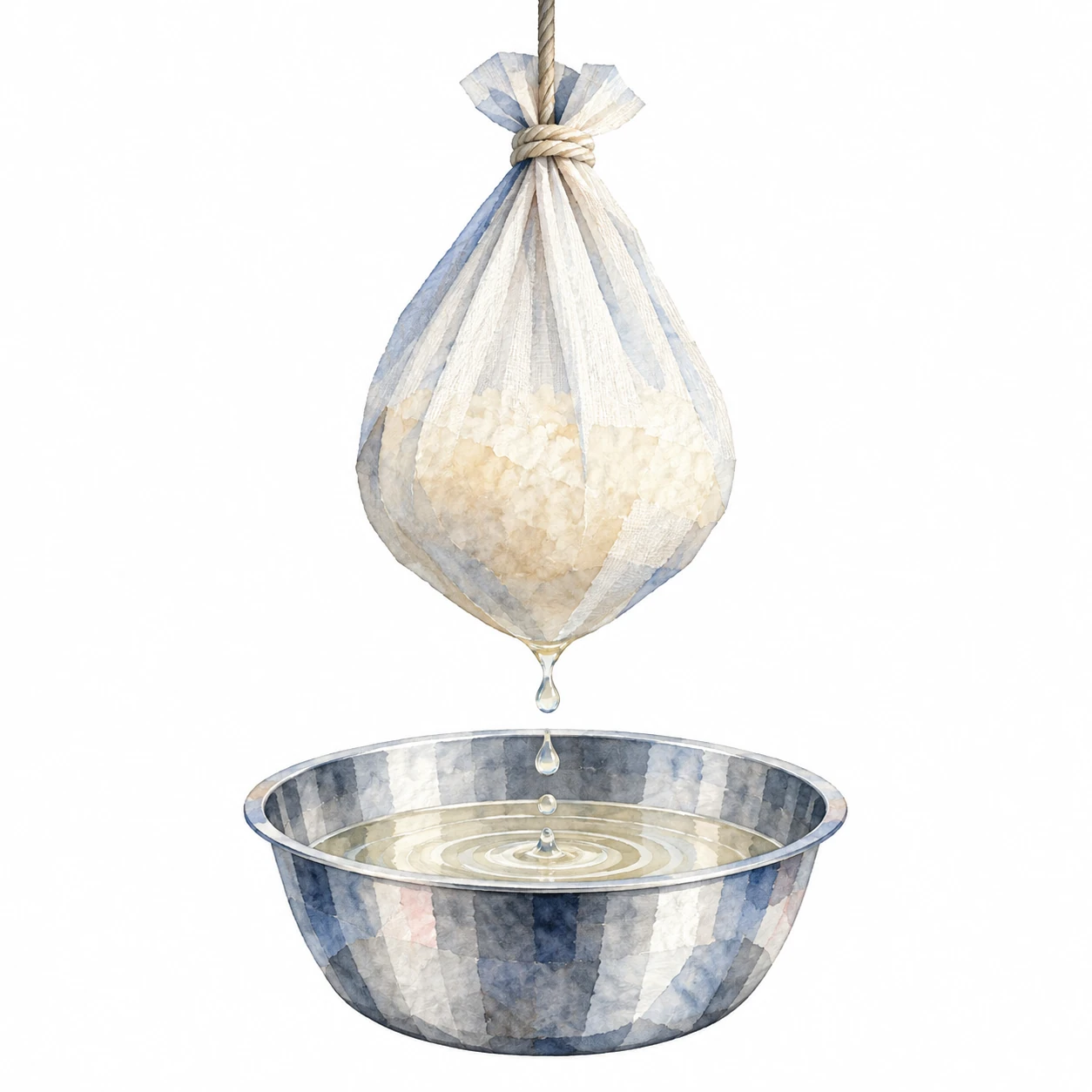
Pressing separates liquid from much of the solid material in the mash. Finishing may include filtration, dilution, pasteurisation and maturation. Their use and sequence vary with the intended product; there is not one finishing recipe for every sake.
Pasteurisation helps prevent unwanted re-fermentation and inactivates enzymes. Nama means unpasteurised sake, so handling and storage deserve particular attention. Follow the producer’s instructions rather than assuming every sake can sit on a warm shelf.
Genshu is a label clue that the sake has not been diluted with water to adjust alcoholic strength. Check the actual ABV, because the word alone does not give you an exact number.
Sources: NRIB: pasteurisation and nama · JSS: genshu
CHAPTER 07
Questions worth taking to a brewery
Does more polishing automatically mean better sake?
No. Polishing is one part of a style decision. Ask how it fits the flavour the brewer wanted to make, and compare the finished bottles.
Is this a home-brewing recipe?
No. This is an explanation of the processes, rather than quantities, timings or instructions for making alcohol.
What should I ask on a brewery visit?
Try: “What is distinctive about your koji or starter?”, “Why did you choose this yeast?” and “How should I serve this particular bottle?” Those questions connect process to the sake you can actually taste.
For the full visual pathway from rice to bottle, continue with our brewing and ingredients guide. To turn the science into useful tasting observations, visit tasting and serving.