
WHATSAKE · WHATSAKE STORIES
WhatSake: discover, rate and share
A bottle becomes a story you can keep.
Read the story
CHAPTER 01
Start with a bottle, not a vocabulary test
The best introduction to sake is often a moment: a bottle at dinner, a cup on a trip or a recommendation from someone who cares. The challenge comes later, when you want to find the name again or explain what made it memorable.
WhatSake brings discovery, tasting records and sharing into one sake-focused app. Its purpose is to help you connect the bottle in front of you with information you can use and impressions you can remember.
You do not need to know every category before starting. A clear bottle name and one honest observation are enough for a first entry. Learning becomes easier when it is attached to a real experience, rather than a long list of words.
CHAPTER 02
Find the bottle you actually have
Label scanning and search can help you identify a sake. Treat a match as something to compare with the bottle in front of you: producer, product name, style and any distinctive label details matter.
A brewery may make several products with similar names. A different polishing ratio, seasonal release or production term can change which bottle you are looking at. If the label is difficult to photograph, improve the lighting and avoid glare before trying again.
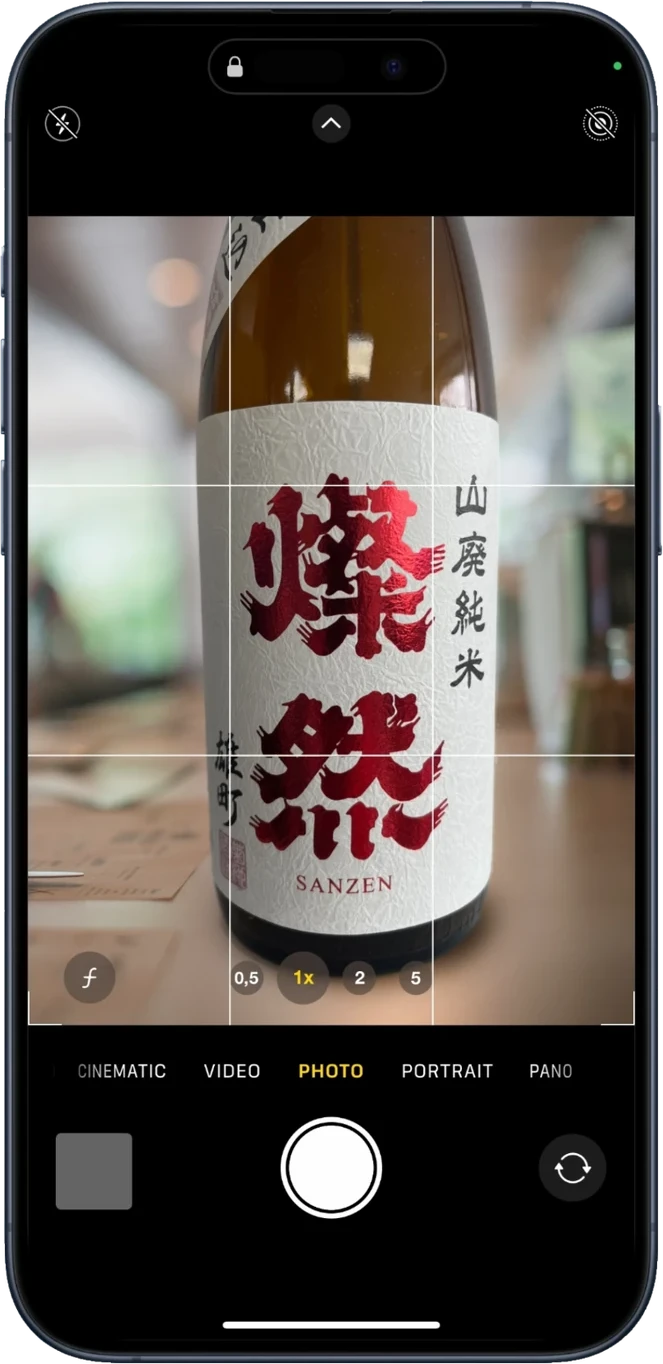
Match the producer
The brewery or producer name is the first checkpoint.
Match the product
Look beyond the brand to the exact bottle or release.
Use the result as context
Read the information, then compare it with the label and the producer’s advice.
No matching information is a reason to keep checking, not to fill the gap with a confident guess. The same principle applies when someone sends you a bottle recommendation.
CHAPTER 03
Keep a tasting memory that helps later
A useful tasting record is short enough that you will actually write it. Start with the aroma, the feel in your mouth and the finish. Add the serving temperature or dish if it made a difference.
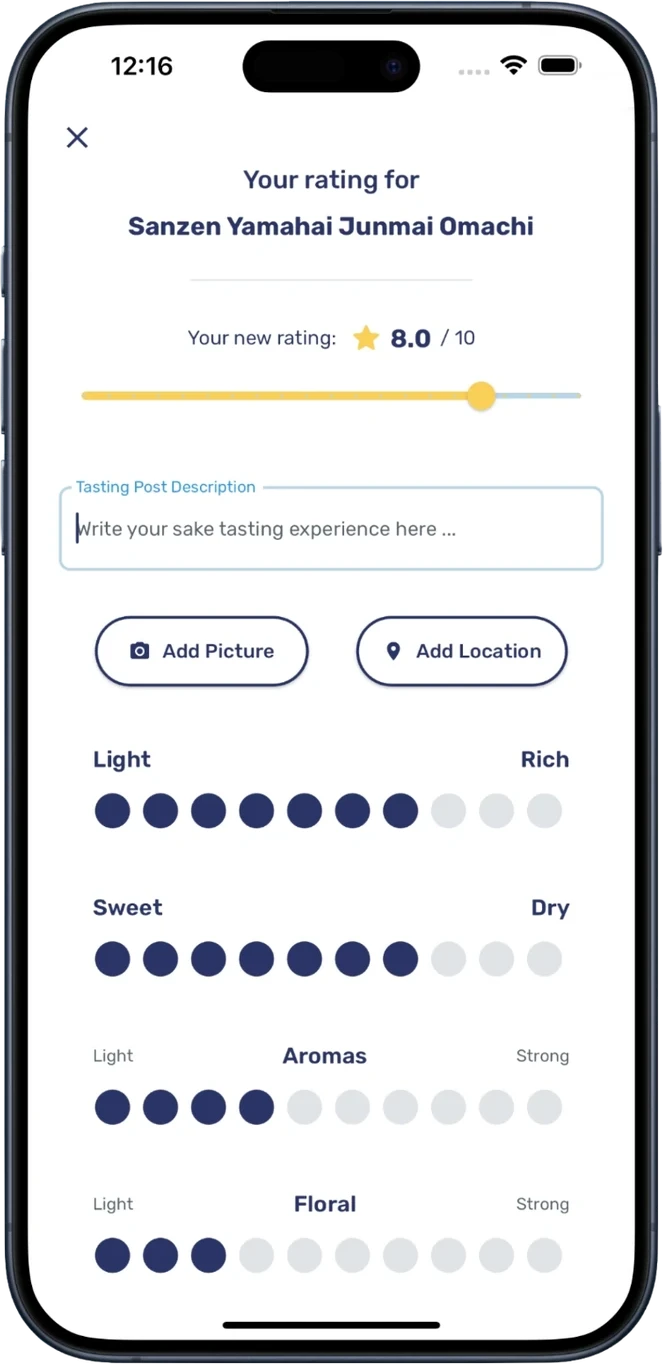
One aroma
Choose a word you recognise: fruit, flowers, rice, nuts or something else you can describe.
One texture
Soft, crisp, rounded or rich may be more useful than trying to name every flavour.
One reason to return
What would make you choose this bottle again? The meal, the mood or the style?
Keep facts and impressions separate. The label’s ABV is a fact; “felt gentle with this meal” is your experience. That distinction makes your notes more useful when you revisit them.
For a guided way to describe your glass, explore tasting and serving. You can return to your note later and add context without rewriting the original experience.
CHAPTER 04
Let favourites become useful clues
A favourites list can become a map of what has stayed with you. It can also contain happy exceptions: a bottle you loved because of the setting, a friend’s recommendation or a dish you rarely eat.
When you browse the list, ask what connects the bottles. Are you returning to fragrance, savoury depth, freshness or a particular producer? You do not have to force a pattern; the differences can be just as revealing.
WhatSake AI uses your favourites to generate a Sake Persona and recommendations when you request them. Read our Sake Persona story for a thoughtful way to use that feature.
Keep exploring outside the pattern too. A good journal helps you remember your preferences while leaving room for a surprise. Your earlier choices do not have to become a rule for the next bottle.
CHAPTER 05
Share the context, not just the score
A recommendation becomes more helpful when it gives another person a way into the experience. Instead of only “five stars”, mention the bottle, how it was served and what you enjoyed.
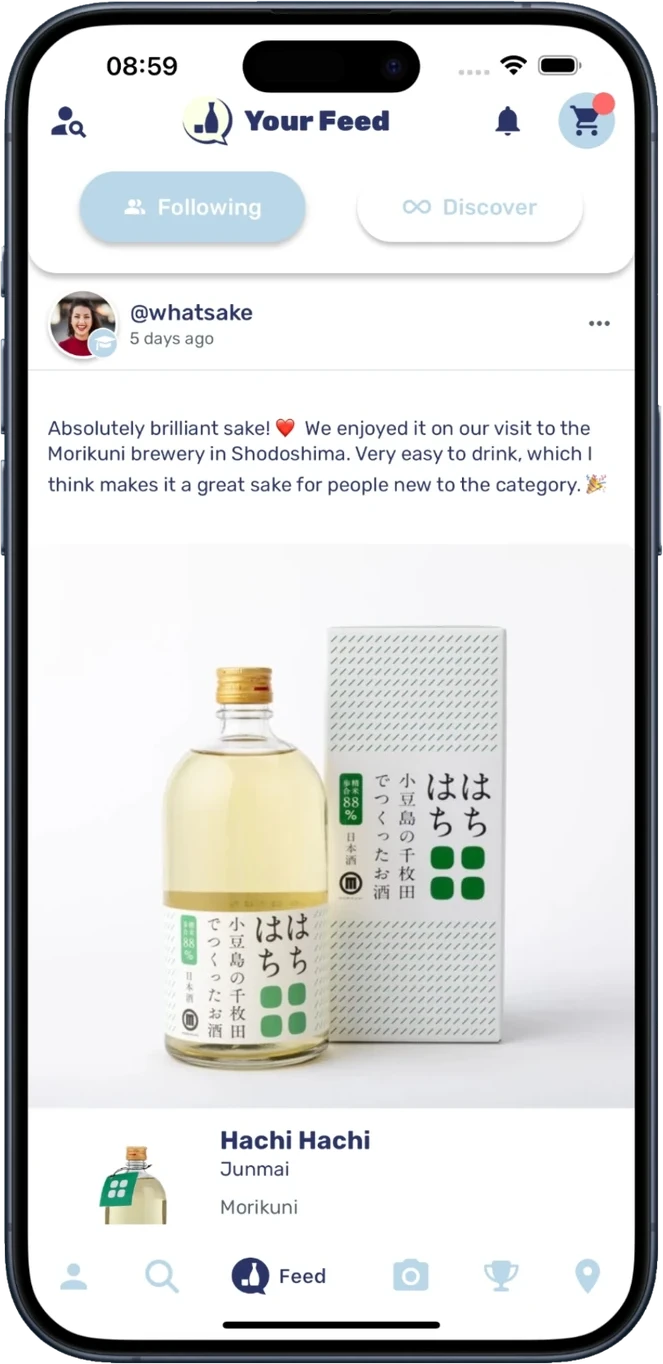
A useful recommendation
“I liked its savoury finish with this dish, served slightly cool.”
A useful question
“I enjoyed this producer’s bottle. What would make a good comparison?”
A useful travel memory
“This was the sake we tried here. This is what I want to remember about it.”
Different opinions are part of the point. A friend’s preference can introduce something new without invalidating yours. You can ask what they noticed and compare the same bottle under similar conditions.
Sharing should make the subject more welcoming. Avoid presenting your own taste as a quality ranking everyone else must follow, or a regional stereotype that every brewery has to fit.
CHAPTER 06
Take your curiosity beyond the screen
The app can be part of a wider sake journey, alongside a bottle shop, a restaurant conversation or a brewery’s own information. Use the information to prepare better questions, then listen to the people making and serving the sake.
Before travelling, confirm a brewery’s visitor arrangements directly. A place on a map does not promise tours or drop-in tastings. Opening times, reservations and language support are practical details worth checking for your visit.
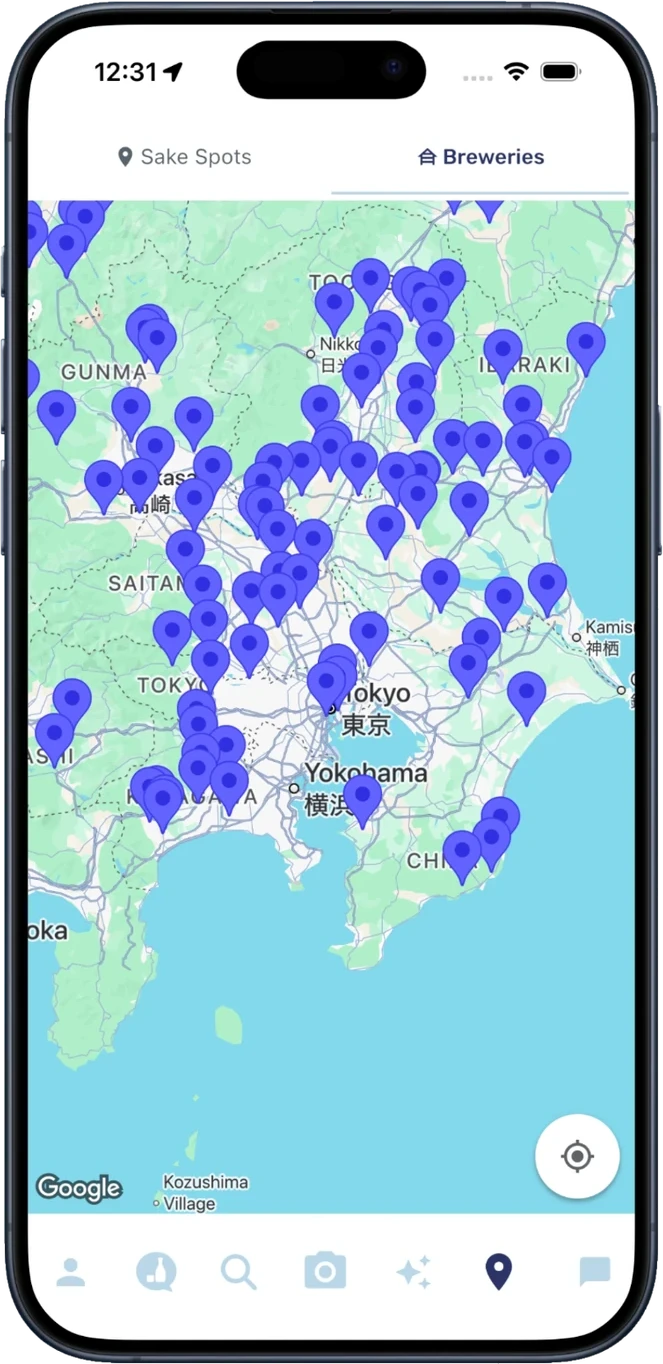
For the cultural and regional context, explore regions and breweries. For the drink in front of you, the illustrated Learn guides cover styles, serving and food pairing.
The app, the guides and your own notes each do a different job. Together they can help turn a fleeting first taste into a more informed next question.
CHAPTER 07
Your first entry can be simple
What should I record first?
The exact bottle name, a serving detail and one thing you noticed. You can add more later.
Do I have to give the same score as everyone else?
No. Record your own impression. Context is often more useful than agreement.
Does WhatSake promise every bottle is available to buy?
This article focuses on discovery, recording and community. Check actual availability with a retailer; it does not promise marketplace coverage or delivery.
How do I get the app?
Use the app-store links on the homepage. The Learn guides can also help you explore before you download.
Sources: WhatSake: original introduction