
BREWERIES · WHATSAKE STORIES
Ten sake producers worth getting to know
Choose a direction, then meet the maker.
Read the story
CHAPTER 01
An introduction, not a leaderboard
The most useful “top ten” list gives you a route into the subject. It cannot name one bottle that will suit every person, dish or occasion. This selection preserves the ten producers from our earlier article and gives each a clearer reason to explore it.
You will meet familiar brand names alongside smaller producers, fresh sake alongside deliberate maturation, and highly fragrant bottles alongside fermentation-led stories. Each producer makes more than one product. The specific bottle matters more than a broad promise about the brand.
Use the types and styles guide if the label vocabulary is unfamiliar. Then come back and choose a direction that sounds interesting.
Sources: NRIB: production categories
CHAPTER 02
Meet the ten producers
Use these directions as a loose navigator. They are editorial groupings, not official categories or a complete description of every bottle in the range.
10 producers
Dassai · Yamaguchi
DASSAI’s 23
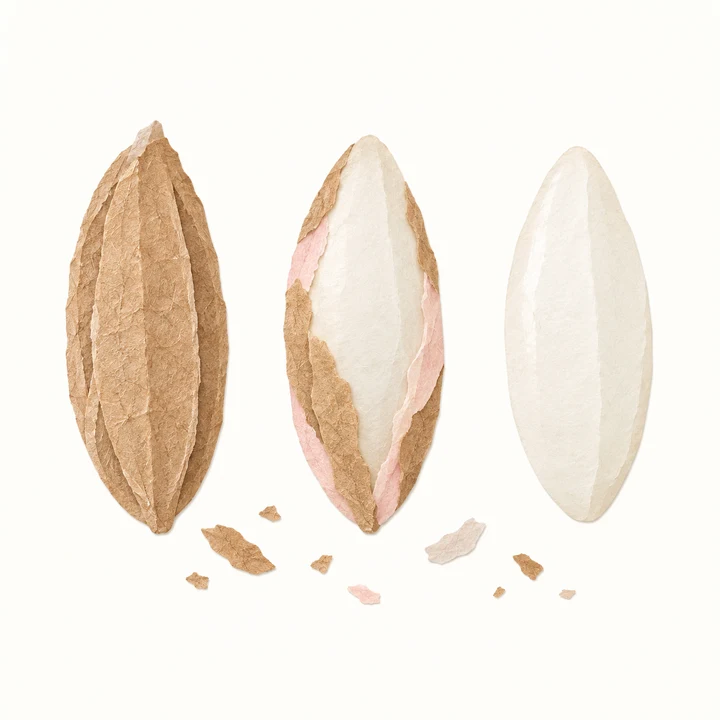
Its 23 bottling is a junmai daiginjo using Yamada Nishiki rice polished to 23% remaining. The producer describes a fragrant profile. The number is about the grain, not ABV or the amount removed.
Use this bottle to explore how you describe fragrance without making a smaller polishing percentage a universal quality score. Compare the finish with another producer’s aromatic bottle.
Sources: Producer details
Niida Honke · Fukushima
Shizenshu
Niida’s company account describes natural cultivation without pesticides or chemical fertilisers, junmai production and an all-kimoto approach since 2021. Its representative Shizenshu label brings those choices together.
Ask about the exact product and its cultivation information. “Natural” is not automatically a certification, and a brewing philosophy is more informative when connected to a specific bottle.
Sources: Producer details
Masumi · Nagano
Arabashiri and Sparkling Origarami
Miyasaka Brewing’s Arabashiri is a junmai ginjo nama genshu. Sparkling Origarami is a lightly cloudy bottle-fermented sake. They are two different ways into the same producer’s range.
Follow the producer’s refrigeration advice. Compare fresh still sake with a bubbly example for texture, and check each bottle’s ABV instead of assuming sparkling means low alcohol.
Sources: Producer details
Hakkaisan · Niigata
Three Years Snow Aged
The producer describes three-year maturation in a snow-cooled yukimuro, around 3°C. Snow storage here is a maturation method; it is not the same claim as describing the source of brewing water.
Explore its rounded profile without expecting every aged sake to be dark or intensely nutty. Storage conditions and time both belong in the maturation conversation.
Sources: Producer details
Tedorigawa · Ishikawa
Yamahai Junmai
Yoshida Shuzoten’s Tedorigawa Yamahai Junmai uses Yamada Nishiki and Gohyakumangoku, with 60% rice remaining. The producer describes different impressions when cool and warmed.
Try the producer’s serving advice and notice changes in acidity and savoury character. Yamahai is a starter-method clue, not a guarantee that every bottle will taste heavy.
Sources: Producer details
Dewazakura · Yamagata
Oka Ginjo
Oka was launched in 1980. The producer lists it as ginjo, with 50% rice remaining and 15% ABV. Ginjo and junmai ginjo are different classifications, even when both can be fragrant.
Use Oka to explore an aromatic ginjo and compare the exact label with a junmai ginjo. Notice what you prefer rather than ranking the categories in advance.
Sources: Producer details
Sanzen · Okayama
Junmai Daiginjo Omachi 50
Sanzen is a brand from Kikuchi Sake Brewery. The official range includes this Omachi bottling, alongside products using Yamada Nishiki and Asahi. The brewery does not use Omachi exclusively.
A rice-variety comparison is most useful when you keep the other differences in mind. Ask which products make a sensible pair, rather than attributing every flavour difference to the grain.
Sources: Producer details
MORIKUNI · Shodoshima, Kagawa
Hachi Hachi and island projects
Shodoshima Shuzo’s account describes work on island rice and an olive-yeast collaboration. Its range includes Hachi Hachi junmai. An olive-yeast project does not mean every MORIKUNI bottle uses that yeast.
This is a useful producer for asking what local identity means in practice: rice, yeast, collaboration and the exact release. Read the product details before turning the island story into a flavour prediction.
Sources: Producer details
Aramasa · Akita
No.6
Aramasa’s No.6 series centres on its No.6 yeast and is unpasteurised. The producer’s history describes its move to all-kimoto production. The current storage instructions emphasise refrigeration and freshness.
Plan the cold chain before choosing a nama bottle. Check the current release’s label, rather than reusing older online specifications or assuming that rarity makes it the best choice for you.
Sources: Producer details
Daruma Masamune · Gifu
Five-year aged sake
Shiraki Tsunesuke produces Daruma Masamune and lists a five-year aged sake. Its plum liqueurs are separate products: an umeshu is not simply another sake grade.
Explore maturation as its own style direction. Take a small tasting pour, describe aroma and finish, then use the producer’s advice for the exact bottle rather than treating all koshu alike.
Sources: Producer details
Sources: Masumi: Sparkling Origarami · Aramasa: production history
CHAPTER 03
Ask for the exact product
At a shop, give the product name as well as the producer. “Masumi” might lead you to a still, fresh or sparkling bottle; that difference affects serving and storage. A photograph of the label can help avoid a similar-name substitution.
Ask what the producer recommends for the bottle you can actually buy. Product specifications can differ between releases or markets, and an online description may refer to an older bottling.
For an aromatic direction
Compare Dassai, Dewazakura or a Sanzen example, using exact product descriptions.
For fermentation and place
Explore Niida, Tedorigawa or MORIKUNI and ask which production choice the maker considers distinctive.
For freshness or bubbles
Read Masumi and Aramasa’s handling instructions before planning a purchase.
For maturation
Compare Hakkaisan’s snow-aged approach with Daruma Masamune’s aged range.
These are starting points for a conversation, not stock or price promises. A knowledgeable retailer may suggest a different local option with a similar direction.
CHAPTER 04
Learn more from two bottles than ten names
For a first comparison, choose two clear contrasts. A fragrant ginjo and an aged sake can teach you more about your own preferences than rushing through every producer on the list.
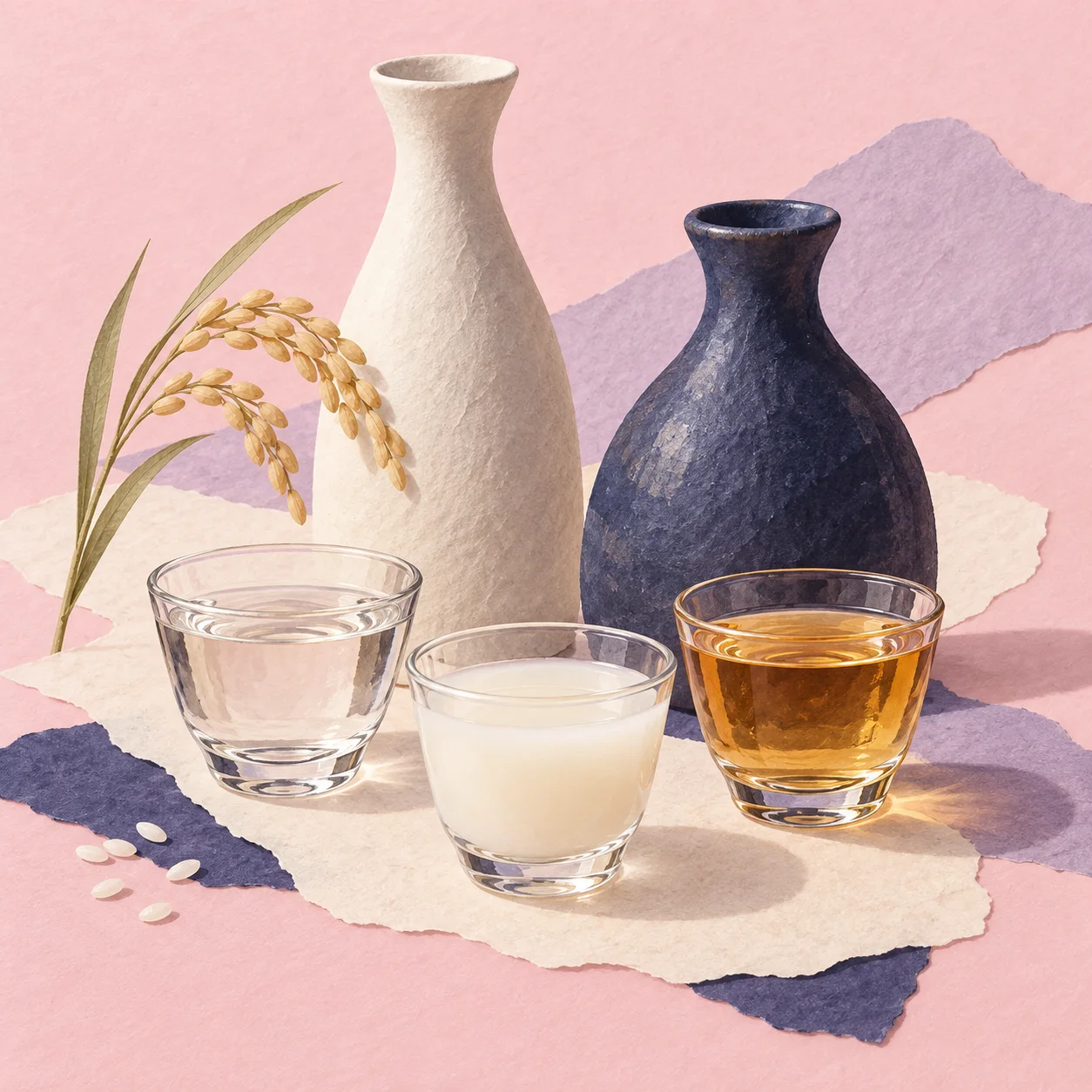
Use similar glassware for the first pass, follow the serving advice and note aroma, texture and finish. Try a bite of the same food with each, then record which combination you found more enjoyable. The observation is useful even if it differs from a famous tasting note.
Do not make price, polishing ratio or scarcity the answer before you taste. A simpler bottle that suits the meal can be the one you want to revisit.
Our tasting and serving guide helps organise the comparison, and WhatSake helps turn the bottle into a memory you can find again.
CHAPTER 05
Questions about the list
Are these objectively the best sake brands?
No. This is an editorial selection showing different producers and approaches. Your preference depends on the exact bottle and experience.
Is every ginjo a junmai?
No. Read the full classification; ginjo and junmai ginjo differ in whether brewer’s alcohol is added.
Does a low polishing ratio guarantee I will like it?
No. It describes the grain remaining. Use it alongside other production details, not as a complete taste prediction.
Can I find all ten in my country?
Availability varies. Follow the producer’s information and ask a local retailer without assuming a particular bottle is in stock.