
JAPANESE FRUIT LIQUEURS · MEET UME & YUZU
Umeshu &
Yuzushu
Two fruits.
Two delicious directions.
One brings sweet-tart ume fruit. The other, fragrant yuzu citrus. Get to know these Japanese liqueurs, follow fruit to bottle, and find a pour that suits your taste.
Meet the two drinks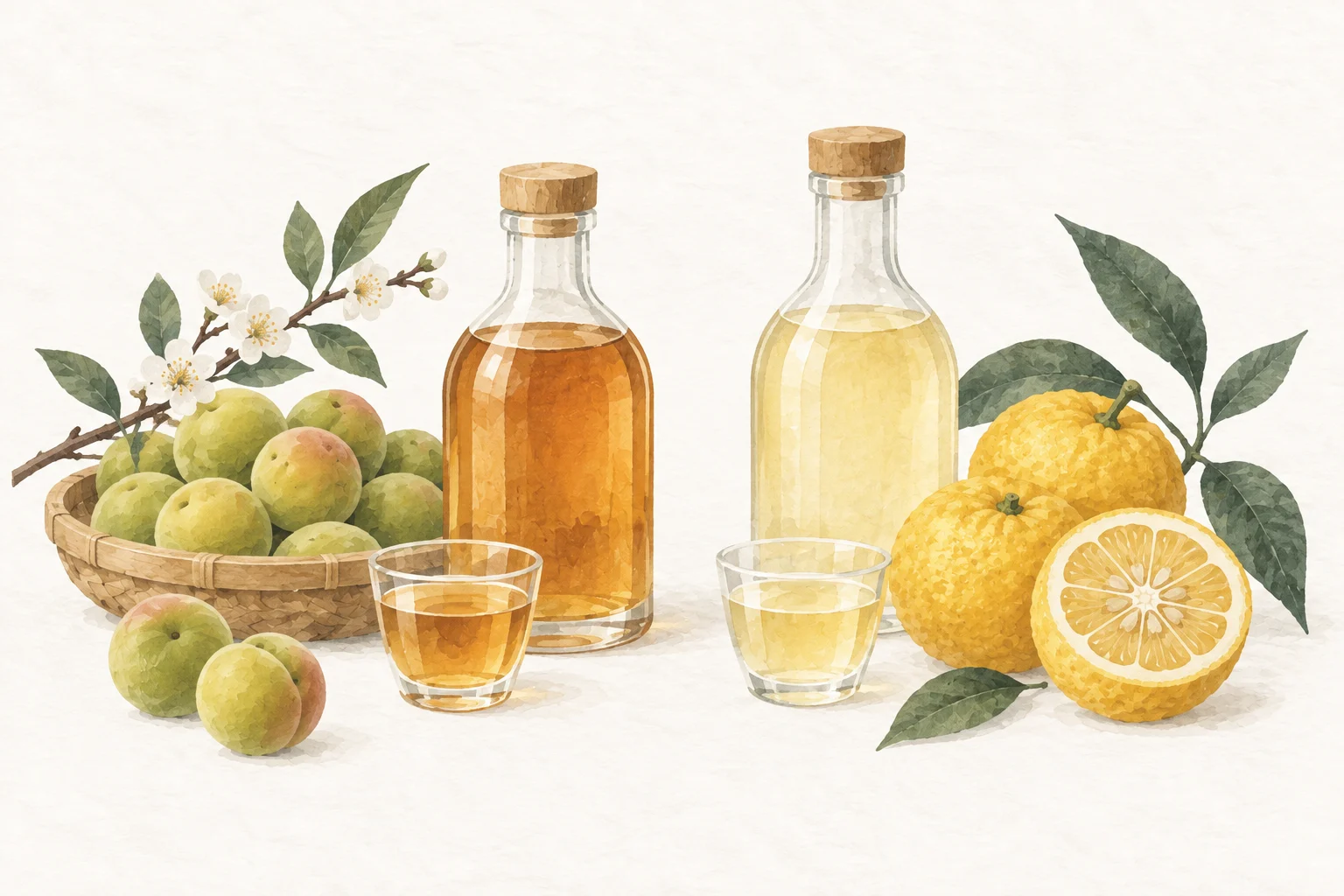
Start with the fruit, then explore the bottle.
01 · START WITH THE FRUIT
What are umeshu and yuzushu?
Umeshu is a Japanese ume-fruit liqueur. Yuzushu is a Japanese yuzu-citrus liqueur. The fruit is the first clue to their character.
Umeshu · 梅酒
Often called “plum wine”, it commonly gets its flavour from ume fruit steeped in alcohol with sugar. Expect a balance of fruit, sweetness and tang, with the exact character depending on the bottle.
Yuzushu · 柚子酒
Yuzu juice is blended with an alcohol base and sweetened. Think citrus aroma and a lively sweet-sour balance. Recipes and strengths differ between producers.
These are liqueurs. Some include sake; others use shochu or another spirit. The fruit name does not tell you which alcohol base is inside.
Sources: CHOYA: umeshu and infusion · Masumi: shochu-based yuzushu · Umenoyado: sake in a yuzu liqueur.
02 · UME, ALCOHOL & TIME
How is umeshu made?
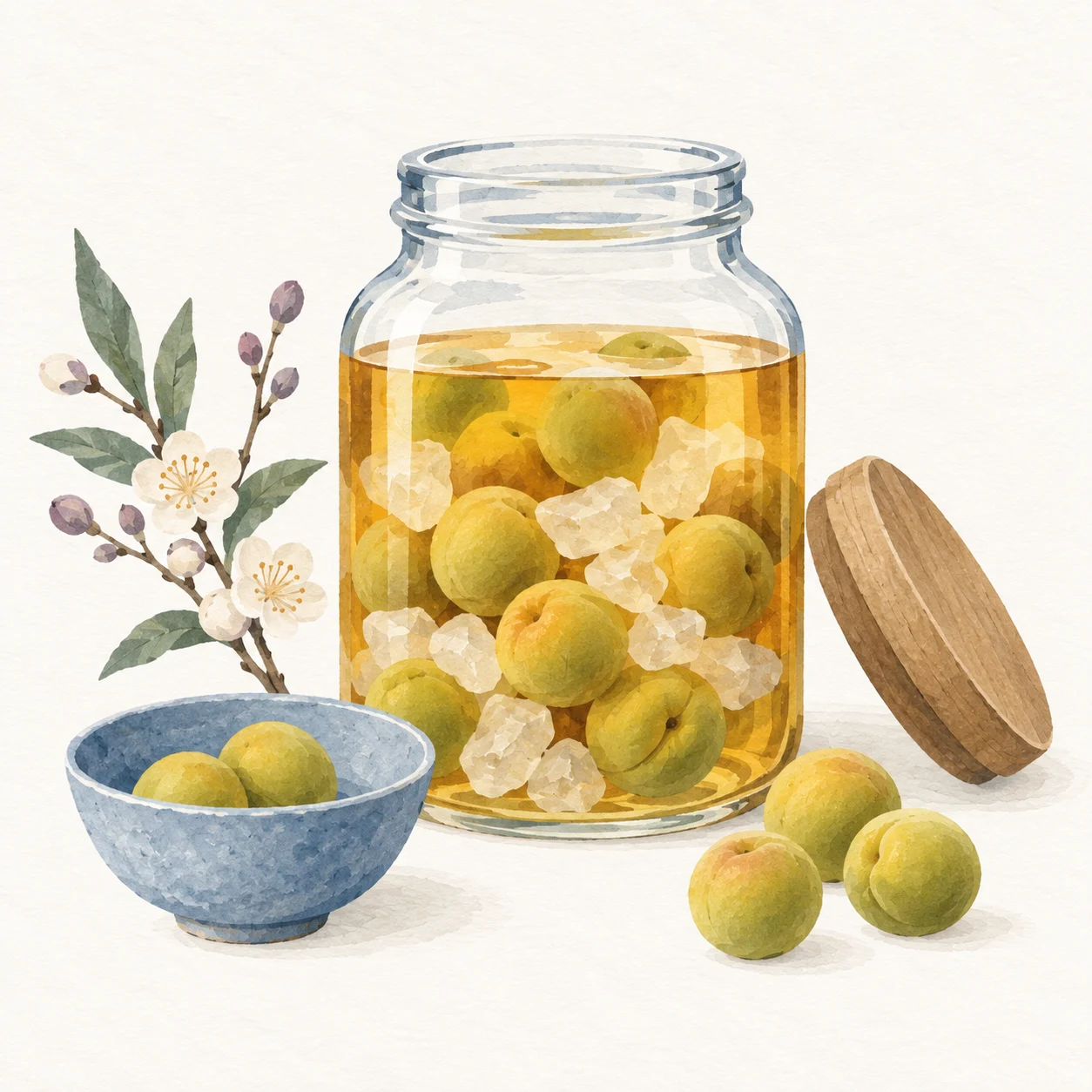
The classic idea is infusion: give ume fruit time to share its flavour with alcohol.
Ume is often translated as Japanese plum, but it is Prunus mume, distinct from a typical European plum. It gives umeshu its characteristic tang. Some examples also have almond-like aromas.
Select the fruit
The variety and ripeness are part of the producer’s choices.
Steep with alcohol and sugar
Whole fruit infuses its flavour into the liquid. The alcohol base varies.
Mature, blend and bottle
Time and blending shape the finished balance. CHOYA’s process includes careful ageing and batch assessment.
Why is it called “plum wine”?
The name is common on menus, but traditional umeshu is made by steeping fruit in an existing alcohol base. Ask about the ingredients rather than assuming that the fruit has been fermented into wine.
Fruit and aroma: CHOYA: ume and umeshu. Production overview: CHOYA: steeping, ageing and blending. These illustrations explain the process rather than provide a home-making recipe.
03 · FRAGRANT CITRUS IN A BLEND
How is yuzushu made?
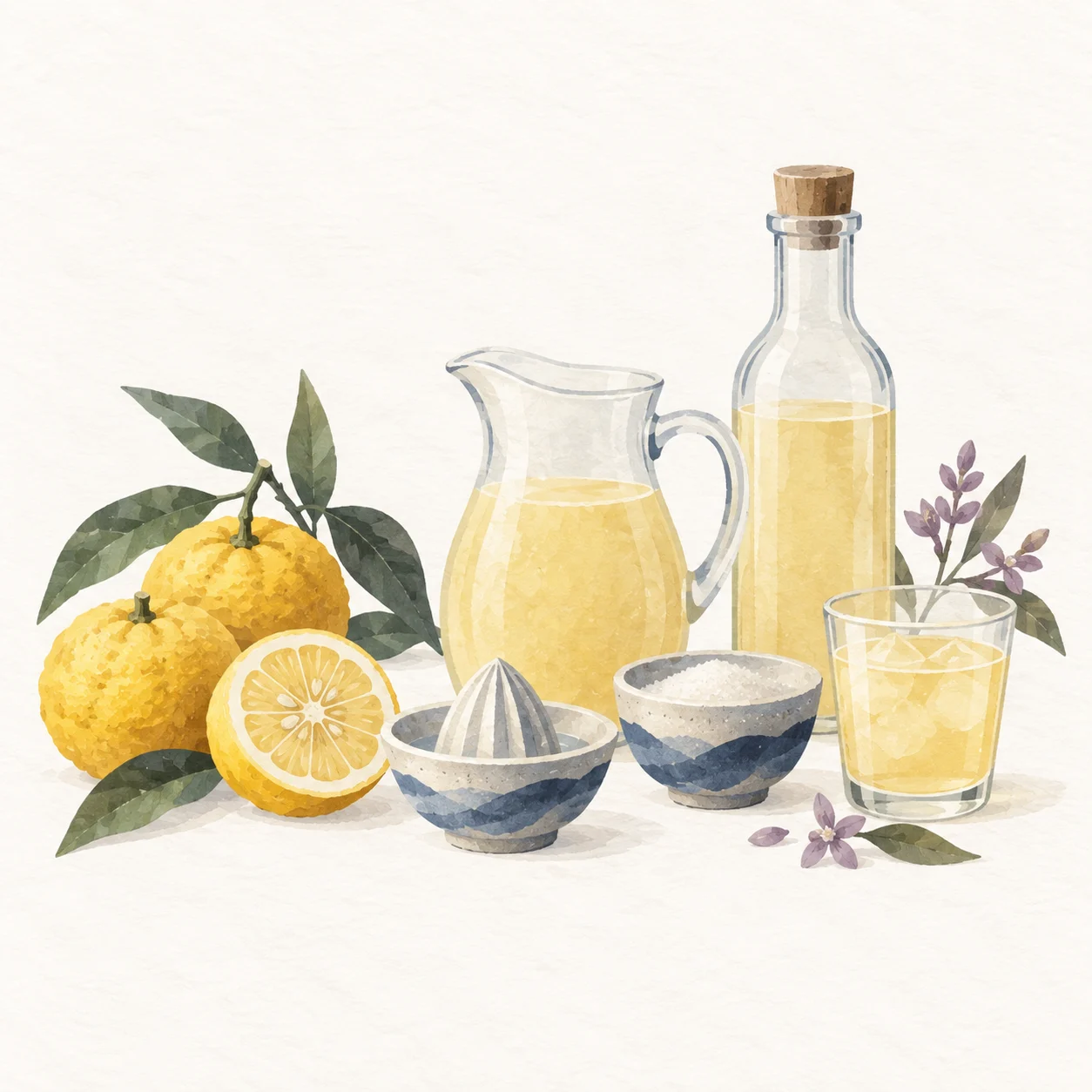
Yuzu juice brings citrus perfume, acidity and a little peel-like bitterness.
The producer blends it with alcohol and sweetness to reach the intended balance. Masumi uses its own shochu; Umenoyado’s Aragoshi Yuzu includes sake and spirits. Both are sold as liqueurs.
Prepare the yuzu juice
CHOYA describes gently squeezing whole yuzu to preserve its aroma while limiting astringency.
Blend with an alcohol base
The fruit name alone does not reveal whether the recipe includes sake or a spirit.
Balance the finished drink
Juice character, sweetness and strength help create each bottle’s personality.
Check the product category and ingredient list. “Yuzu sake” on a menu can be a casual description of a liqueur that contains sake.
Sources: Masumi: yuzushu ingredients · Umenoyado: yuzu, sake and blending · CHOYA: juice preparation.
04 · FIND A FLAVOUR DIRECTION
What do umeshu and yuzushu taste like?
Use the fruit as your first clue, then look for a description of the individual bottle.
Sweet-tart ume
Masumi Umeshu combines plum aromas with a light, tangy character. Its ingredients include shochu, ume and sugar.
Producer example: Masumi Umeshu ↗Bright citrus
Aragoshi Yuzu highlights yuzu juice with sake in the blend. The producer recommends rocks or soda.
Producer example: Aragoshi Yuzu ↗Mellow & aged
The CHOYA Aged 3 Years is matured for three years, with mellow flavour and mild tartness. Age is one clue to style, rather than a universal quality score.
Producer example: CHOYA Aged 3 Years ↗Fruit & texture
Aragoshi Umeshu blends fruit flesh into an infused base and includes sake. Umenoyado describes a creamy texture and full ume aroma.
Producer example: Aragoshi Umeshu ↗These are examples, not rankings or descriptions of every bottle. Product details are linked above; WhatSake’s selector suggests a tasting starting point.
05 · CHOOSE YOUR POUR
How to drink umeshu and yuzushu
Start with a small taste on its own. Then decide whether you want ice, bubbles or a little water.
The same bottle can feel different depending on the serve. Try changing one thing at a time so you can notice what you prefer.

Chilled and straight
A small pour lets you explore the fruit, sweetness and finish before mixing. Use a small tasting glass or cup.
On the rocks
Pour over ice in a tumbler. Taste as the ice melts: do you enjoy the changing balance?
With soda
For a first trial, mix one part liqueur with two parts chilled soda water over ice. Adjust to taste. This is WhatSake’s suggested ratio, rather than a rule for every bottle.
Umeshu with warm water
For umeshu that suits this serve, try a small amount with warm water in a heat-safe cup. CHOYA includes hot-water mixing among its serving ideas.
Water or soda dilutes a serving; it does not remove the alcohol already in it. The amount of liqueur still matters.
Chilled, rocks and hot-water ideas: CHOYA: serving ideas. Soda and water: CHOYA USA FAQ. Yuzu on rocks or soda: Umenoyado. The comparison prompts and soda ratio are WhatSake’s suggestions.
06 · MAKE ROOM AT THE TABLE
Food pairing ideas for umeshu and yuzushu
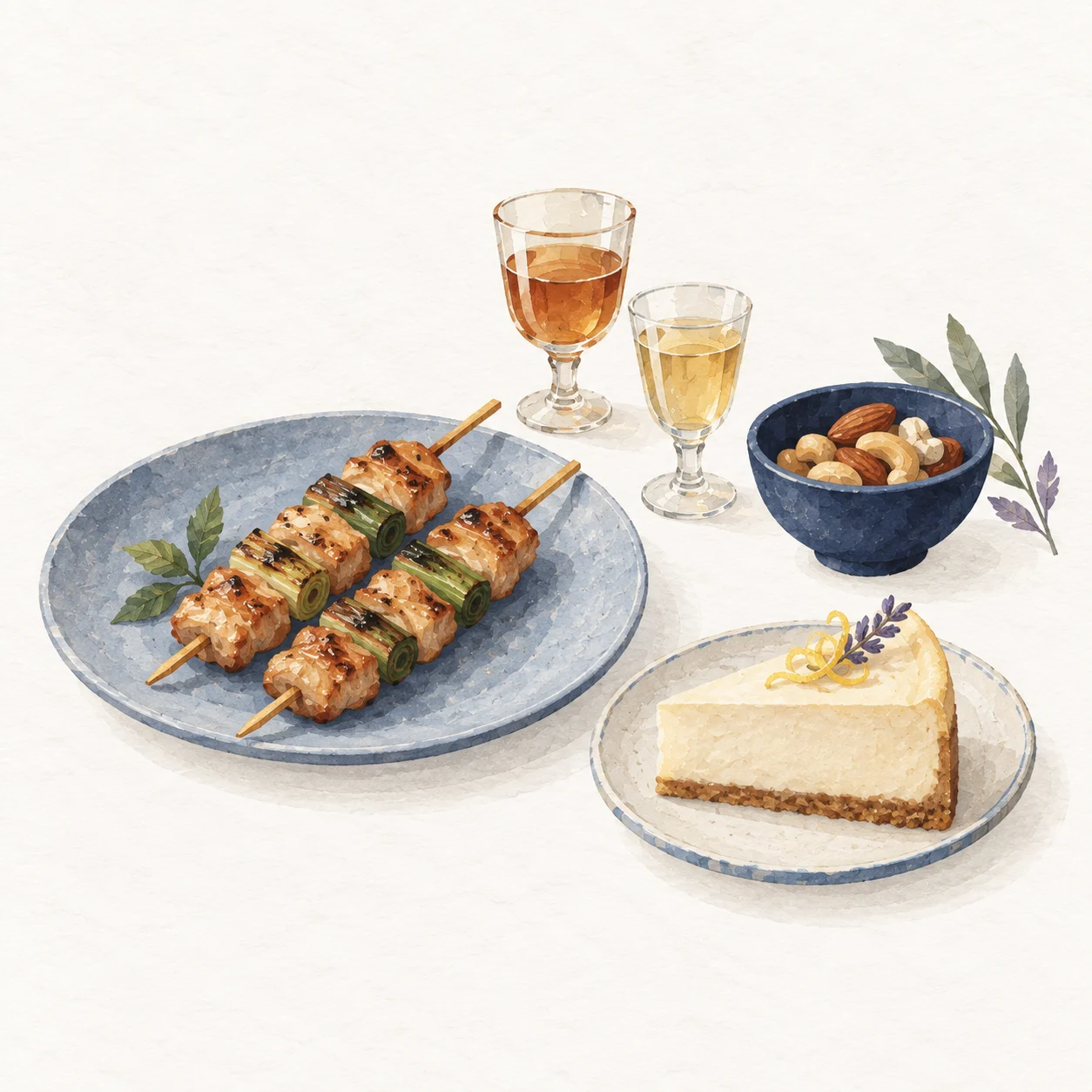
Think about sweetness, acidity and how rich the dish feels.
These are WhatSake’s loose pairing ideas. Try a small sip with a bite of the dish: does each make the other more enjoyable? A very sweet bottle may need a different approach from a sharper, fruit-led one.
Serve size and dilution matter too. A liqueur over ice or with soda can be a useful comparison with the same drink served straight.
Grilled skewers & glazed dishes
Start with a sweet-tart ume style alongside a gently sweet glaze. Compare whether fruit and tang help balance the richness.
Salty snacks & fried bites
Try a yuzu soda with salty nuts or a small fried bite. The idea is a lively citrus contrast; let the seasoning guide you.
Cheesecake & creamy desserts
A citrus liqueur can offer a tangy counterpoint. Alternatively, explore a fruit-rich umeshu alongside a modestly sweet dessert.
Dark chocolate & a final sip
Masumi specifically suggests dark chocolate desserts with both its ume and yuzu liqueurs. Try the pairings side by side if you are curious.
Chocolate pairing: Masumi Umeshu · Masumi Yuzushu. Other pairings are WhatSake’s suggestions. Explore broader ideas in Food pairing.
07 · READ THE BOTTLE
Choosing a bottle and storing it
The ingredient list is more useful than the fruit name alone.
Fruit & texture
Look for ume or yuzu, juice or fruit flesh, and the producer’s taste description.
Alcohol base
Check for sake, shochu or another spirit. A liqueur can include more than one.
Strength
Read the ABV on your bottle. A sweet or fruity taste does not tell you how strong it is.
Storage
Look for refrigeration instructions, particularly after opening. Keep the cap closed and follow producer advice.
These are individual product examples, not category-wide ranges. Check the label in your market.
Does opened umeshu last forever?
Follow the specific bottle’s advice. CHOYA USA recommends refrigeration after opening and finishing its products within a couple of months; it advises consuming lower-strength examples sooner.
What if my yuzu liqueur has sediment?
Fruit ingredients can settle in some products. CHOYA gives product-specific mixing advice for its Yuzu. Check your producer’s instructions, especially if the bottle is sparkling.
Storage and CHOYA Yuzu sediment: CHOYA USA FAQ. Strengths and ingredients: producer pages linked above.
08 · THE QUICK ANSWERS
Umeshu and yuzushu questions
Is umeshu made from ordinary purple plums?
Umeshu uses ume, often called Japanese plum, rather than assuming any plum variety is equivalent. CHOYA distinguishes ume from the European plum species.
Does every yuzushu contain sake?
No. Masumi uses shochu, while Umenoyado’s Aragoshi Yuzu includes sake and spirits. Check the ingredient list.
Is a pulpy umeshu the same as nigori sake?
No. Aragoshi Umeshu gets fruit texture from ume flesh blended into a liqueur. Nigori sake is a brewed rice drink with rice-derived sediment.
Which should I try first?
If sweet-tart fruit appeals, try a small umeshu pour. If you enjoy citrus aromas and tang, start with yuzushu. The bottle’s balance matters more than a general winner between the two.
Can I drink them with a meal?
Yes—try the pairing ideas above. Start with a small serving and compare it with a bite of food. You can also enjoy a producer-recommended example as an aperitif or after dinner.
References: CHOYA: ume fruit · Masumi: yuzushu · Umenoyado: fruit-flesh umeshu. First-taste suggestions are WhatSake’s own.