BREWERIES · TRAVEL · PEOPLE · WHATSAKE STORIES
Craft sake beyond Japan
The brewing tradition travels. The place leaves its mark.
Read the story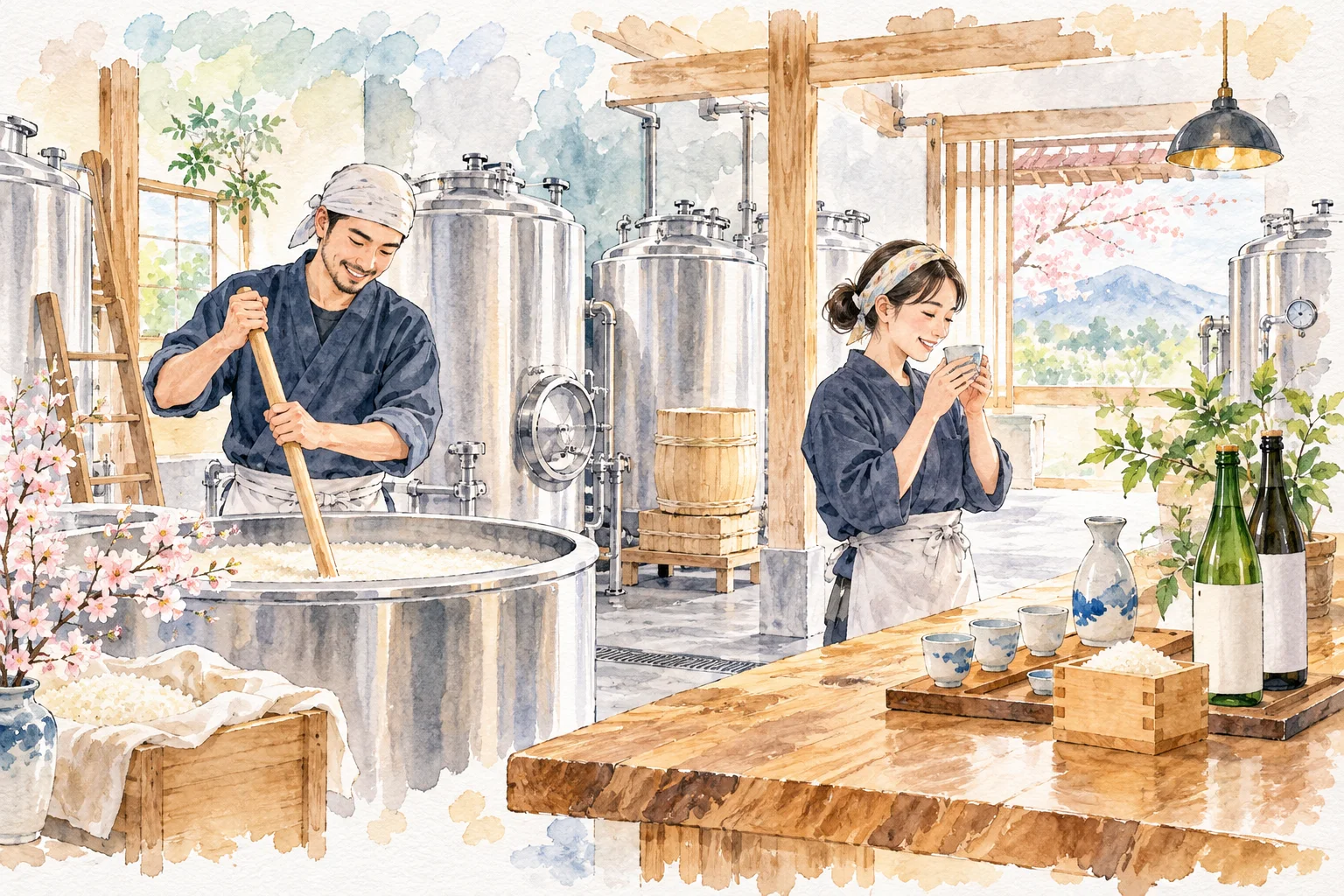
CHAPTER 01
A brewing method can travel
Sake is closely connected with Japan, but the work of brewing it also happens elsewhere. Rice, koji, yeast and water can meet in a London brewing room, a Californian production space or a Canadian city. The location changes the practical decisions and the story around the bottle.
The important distinction is between making sake locally and serving imported sake. A lively restaurant scene is not evidence of a local brewery. For this article, the profiles focus on producers whose own accounts describe brewing at the place named.
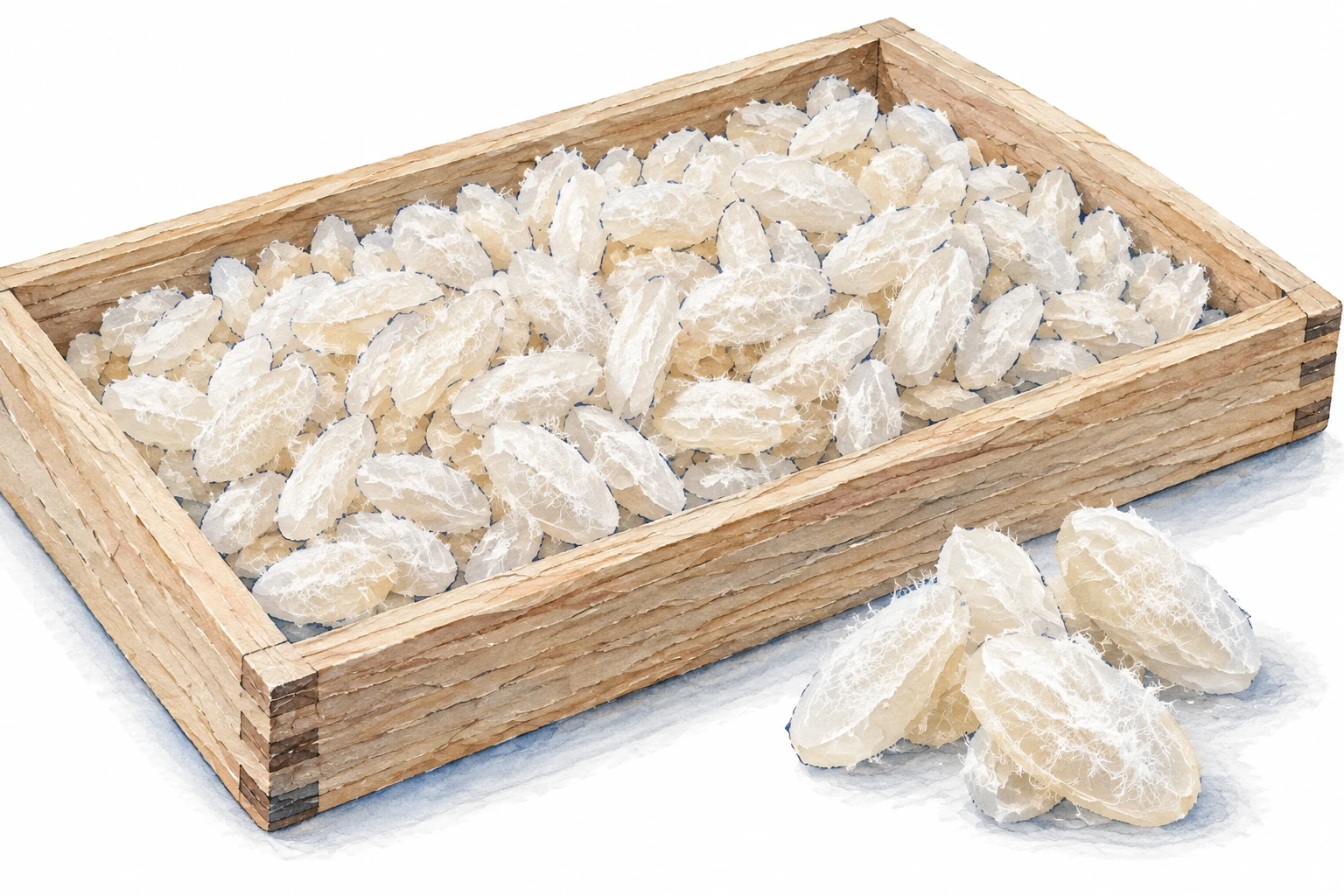
Imported rice does not make a brewery less local. Local rice does not automatically make a product better. The useful questions are which ingredients are used, how the brewery works and what it wants the finished drink to express.
CHAPTER 02
Two different UK approaches
KANPAI · London
KANPAI’s story traces its start in 2016, commercial launch in 2017 and move to London Bridge in 2023. Brewing happens on site, with a core range and seasonal experiments. It offers a way to encounter the brewing process within a city’s food and drink culture.The Sparkling Sake Brewery · Cambridgeshire
Founder Naoki Toyota describes training in Japan before launching the brewery in 2021. Its Classic awa and Nigori awa use bottle fermentation; Classic is disgorged, while Nigori retains sediment. That focused approach makes bubbles a brewing choice, rather than just a serving flourish.Together these examples show why a country label is too broad to predict taste. One producer’s range and experimentation can differ markedly from another’s bottle-fermented speciality.
If you are curious about the cloudy or sparkling styles, use our nigori and sparkling sake guides to prepare questions. Ask about the exact release, its strength and its storage requirements.
CHAPTER 03
Three American breweries, three useful comparisons
Brooklyn Kura · New York
Brooklyn Kura describes sake made locally from rice, water, yeast and koji, with a taproom and Sake Studies Center in Industry City. It connects the bottle with a place for learning, rather than treating sake as an anonymous imported category.Sequoia Sake · San Francisco
Sequoia’s account describes production beginning in 2015, Sacramento Valley rice and water from the Yosemite watershed. Its range includes junmai ginjo nama alongside other finishing and maturation approaches. The producer’s own story is a useful starting point for ingredient-sourcing questions.North American Sake Brewery · Charlottesville
The brewery’s history describes a 2016 founding and 2018 opening. Its current site includes Real Magic junmai and Big Baby nigori, alongside its brewery, tasting room and restaurant. A range like this invites a comparison of texture as well as aroma.These are examples, not a census or a ranking. They do not establish how many American breweries exist or which country produces the most sake outside Japan. Their value is more concrete: different teams make different choices you can ask about.
CHAPTER 04
Canada and France add more directions
IZUMI · Toronto
Ontario Spring Water Sake Company describes junmai brewing in Toronto’s Distillery District using Muskoka spring water, including unpasteurised selections. Its water story does not imply every ingredient comes from the same region.Artisan SakeMaker / OSAKE · Vancouver
The producer describes brewing on Granville Island since 2006, a 100% Canadian-ingredient sake in 2015 and continuing work with British Columbia rice. This is a specific sourcing story, not a claim about all Canadian sake.WAKAZE · France
WAKAZE’s KURA GRAND PARIS account describes southern French rice, French water and Burgundy wine yeast, with equipment designed for sake brewing. It offers another way to ask how a local ingredient programme interacts with the sake method.Each profile is an invitation to go deeper into one producer’s choices. Sourcing can differ between products and over time, so use the current bottle information rather than turning a brewery’s broad story into a specification for every release.
CHAPTER 05
Taste what is in the glass first
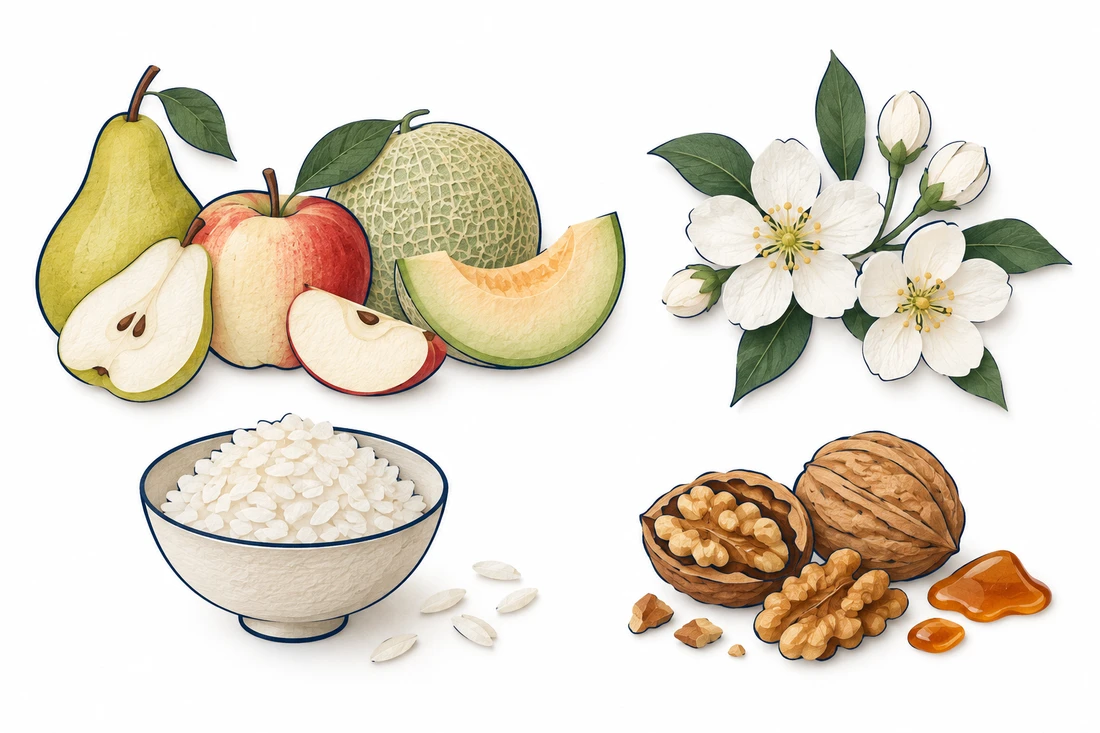
It is tempting to decide that a sake tastes “of London” or “of California” before taking a sip. A more useful approach is to describe the glass first and then learn how the producer’s choices might help explain it.
Choose a contrast
Compare an aromatic bottle with a savoury one, or a clear sake with a cloudy example.
Keep one condition steady
Use the same glass and similar serving conditions for the first comparison.
Record the differences
Write down aroma, texture and finish before reading someone else’s tasting note.
Ask the producer
Find out which ingredient or technique they consider distinctive.
Treat your own food pairings as experiments. A dish from the brewery’s local dining culture can be a useful place to start, but nationality alone does not create a reliable match. Think about richness, seasoning and texture instead.
The food pairing guide offers more ideas, while regions and breweries explains the variety within Japan.
CHAPTER 06
Make a visit practical, not imaginary
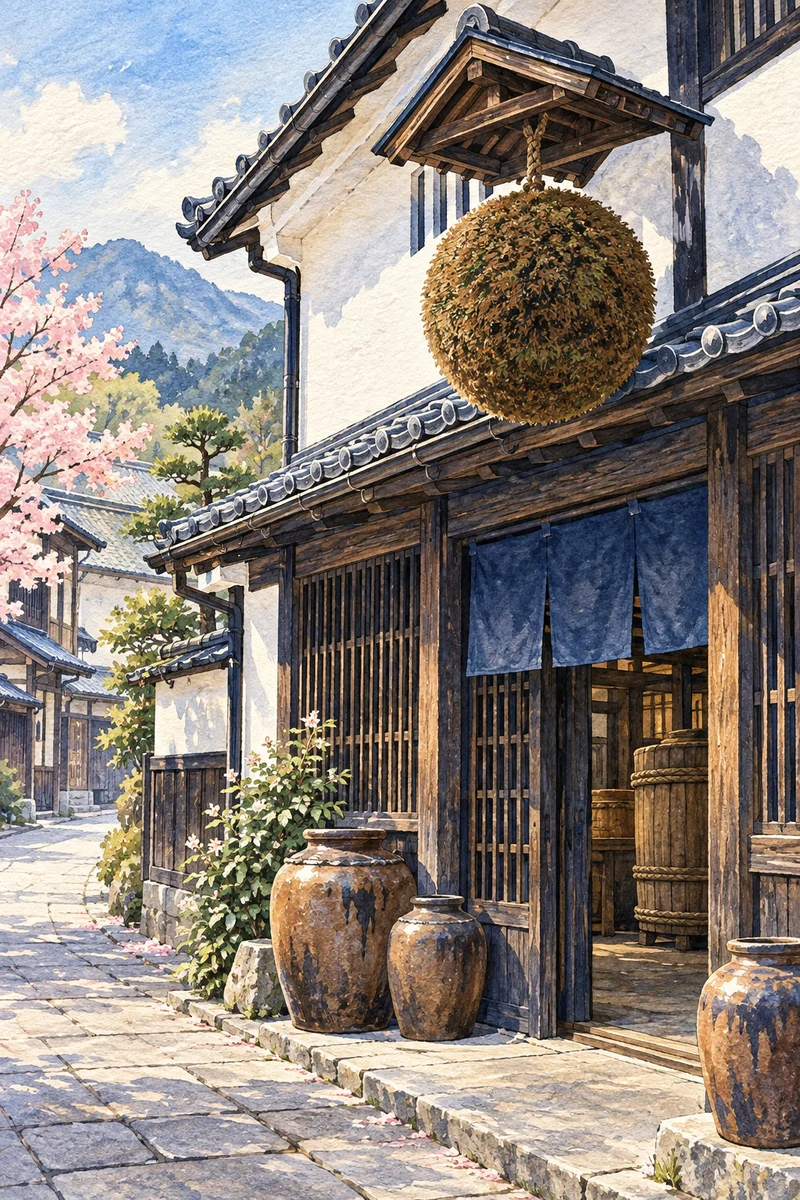
A working brewery may offer a taproom, a scheduled tour, occasional events or no public visits. Confirm the current arrangements directly before building a trip around it. A map marker is not a reservation.
Ask before travelling
Check whether a visit is possible, whether booking is required and which languages are supported.
Respect the production space
Follow the brewery’s hygiene and access instructions, and ask before photographing people or equipment.
Plan the return journey
Decide how you will travel after a tasting, rather than treating the visit as only a shopping stop.
This article deliberately avoids copying opening hours or guaranteeing stock. Follow the producer links for current information. If you bring a bottle home, ask how it should travel and be stored.
A good visit can leave you with one useful question answered: what did this team want this sake to be? That is more memorable than a list of famous bottles.
CHAPTER 07
Questions about sake made abroad
Is locally brewed sake the same as imported sake?
No. Check the producer and place of production; a local bar can specialise in imported Japanese sake without brewing it.
Does every brewery abroad use local rice?
No. Sourcing differs by producer and product. Both imported and locally cultivated rice can be part of a brewery’s story.
Are these the only countries with sake production?
No. This is a selection of verified examples, not a worldwide directory. Historical Australian production is documented, but this page does not promise current tours or unnamed breweries elsewhere.
Are sparkling and nigori always sweet or low in alcohol?
No. Check the actual product’s taste description and ABV. Those style terms do not give a complete flavour or strength profile.